Exploring the rugged terrain of the Rocky Mountains is one of the most rewarding experiences for any off-road enthusiast. From steep climbs and loose gravel to river crossings and unpredictable weather, these trails demand more from both driver and vehicle. Whether you are attending an overland rally or planning your own mountain adventure, proper preparation of your 4×4 is essential for safety, performance, and enjoyment.
This guide walks you through everything you need to prepare your vehicle for Rocky Mountain trails, ensuring you are ready for whatever the terrain throws your way.
1. Perform a Complete Mechanical Inspection
Before heading into the mountains, your vehicle must be in excellent mechanical condition. Even minor issues can turn into serious problems when you are far from civilization.
Start with a full inspection:
- Check engine oil, transmission fluid, and coolant levels
- Inspect belts and hoses for cracks or wear
- Test battery condition and connections
- Ensure brakes are responsive and pads are not worn
- Examine suspension components for damage or fatigue
Mountain trails often involve long climbs and descents, which put additional stress on your drivetrain and braking system. Address any issues before your trip to avoid breakdowns in remote areas.
2. Upgrade Your Tires for Off-Road Performance
Tires are the most important point of contact between your vehicle and the terrain. Standard road tires are not suitable for rocky and uneven surfaces.
For Rocky Mountain trails, consider:
- All-terrain (A/T) tires for mixed use
- Mud-terrain (M/T) tires for aggressive off-road conditions
- Reinforced sidewalls to resist punctures
Also, make sure your tires are properly inflated. Many experienced overlanders lower tire pressure slightly to improve traction on loose surfaces, but you should always carry a portable air compressor to reinflate when needed.
3. Install Essential Recovery Gear
Even experienced drivers can get stuck. Rocky trails, mud patches, and unexpected obstacles can challenge any vehicle.
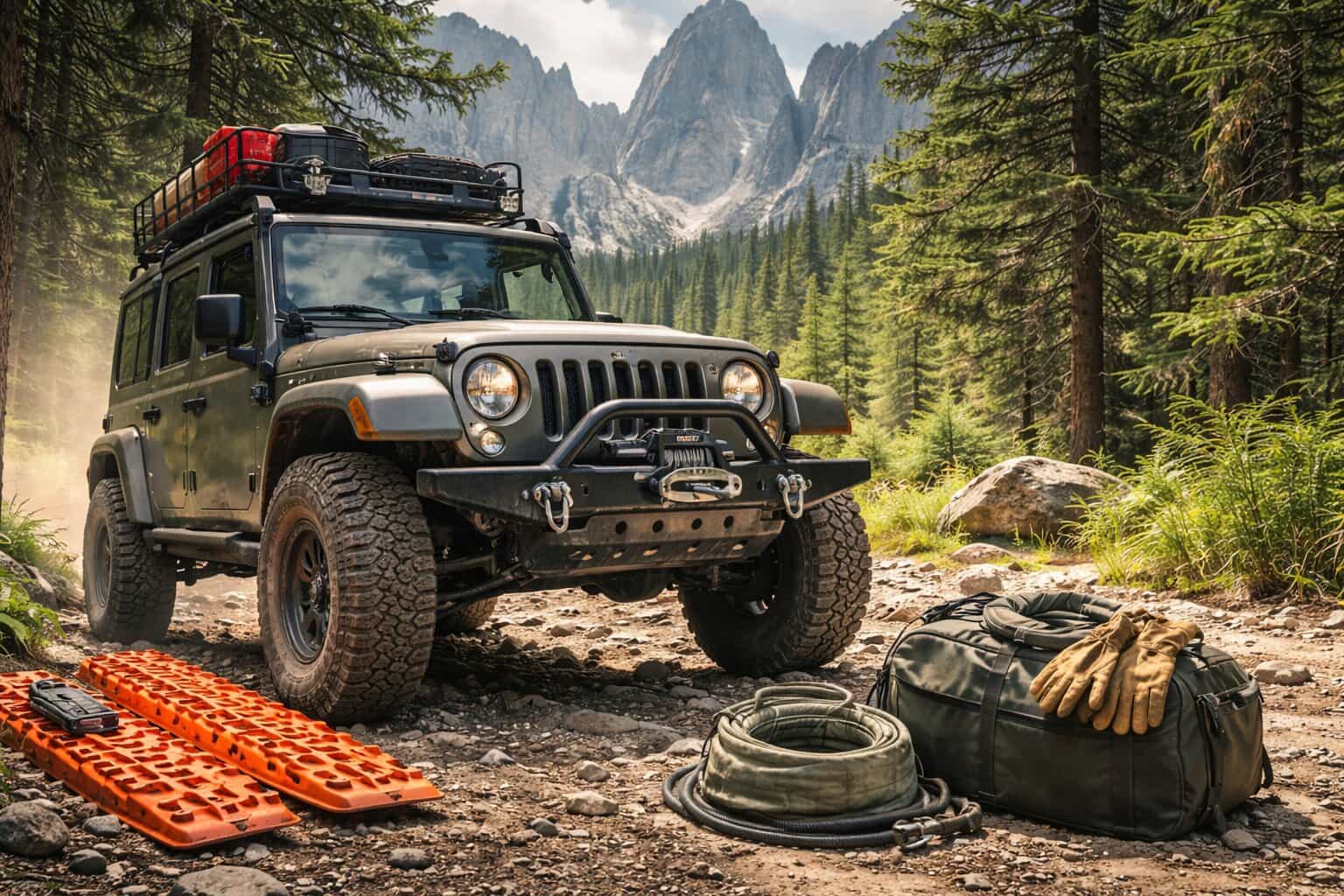
Key recovery equipment includes:
- Recovery straps or kinetic ropes
- D-ring shackles or soft shackles
- Traction boards
- A high-lift jack
- A winch (highly recommended for serious off-roading)
At events like the Rocky Mountain Overland Rally, recovery training sessions often demonstrate how to use this gear safely. Knowing how to use your equipment is just as important as having it.
4. Protect Your Vehicle with Armor and Skid Plates
Rocky terrain can damage vulnerable parts of your vehicle, especially the undercarriage.
Consider installing:
- Skid plates for engine, transmission, and fuel tank
- Rock sliders to protect the sides
- Heavy-duty bumpers for added durability
These upgrades not only protect your vehicle but also give you more confidence when navigating difficult sections of the trail.
5. Optimize Your Suspension Setup
A well-tuned suspension improves both comfort and control. Stock suspension systems may struggle with uneven terrain and heavy loads.
Upgrades to consider:
- Lift kits for increased ground clearance
- Heavy-duty shocks for better stability
- Load-rated springs if carrying gear
Proper suspension allows your vehicle to handle rough trails while maintaining traction and reducing driver fatigue.
6. Pack Smart and Distribute Weight Properly
Overlanding often means carrying extra gear, but too much weight—or poorly distributed weight—can negatively affect performance.
Tips for packing:
- Keep heavy items low and centered
- Secure all gear to prevent shifting
- Avoid overloading your roof rack
- Bring only essential equipment
Balanced weight distribution improves handling and reduces strain on suspension components.
7. Prepare for Navigation and Communication
Rocky Mountain trails can be remote and poorly marked. Reliable navigation is critical.
Recommended tools:
- GPS device or off-road navigation app
- Paper maps as backup
- Two-way radios for group communication
- Emergency beacon for remote areas
Navigation workshops at overland rallies often emphasize the importance of combining digital tools with traditional methods.
8. Carry Emergency Supplies and Safety Gear
Safety should always be a top priority. Conditions in the mountains can change rapidly, and help may not be immediately available.
Essential items include:
- First aid kit
- Fire extinguisher
- Extra water and food
- Emergency blankets
- Tool kit and spare parts
Being prepared for emergencies ensures you can handle unexpected situations without panic.
9. Check Weather and Trail Conditions
Weather in the Rocky Mountains is unpredictable. Rain can turn trails into mud, while snow can appear even in warmer months.
Before your trip:
- Check weather forecasts
- Research trail conditions
- Understand seasonal challenges
Adapting your plan based on conditions is a key part of responsible off-roading.
10. Test Your Setup Before the Trip
Never head straight into challenging terrain without testing your vehicle setup first.
Do a short test run:
- Check how your vehicle handles weight
- Test recovery gear
- Practice driving on uneven terrain
This allows you to identify and fix issues before you are deep in the mountains.
Conclusion
Preparing your 4×4 for Rocky Mountain trails is not just about adding upgrades—it is about understanding your vehicle, your gear, and the environment you are entering. With the right preparation, you can confidently tackle rugged terrain, enjoy the journey, and make the most of your overland rally experience.
Events like the Rocky Mountain Overland Rally are the perfect place to learn, test your setup, and connect with a community of like-minded adventurers. By following these preparation steps, you ensure that your vehicle—and your experience—are ready for the challenge ahead.