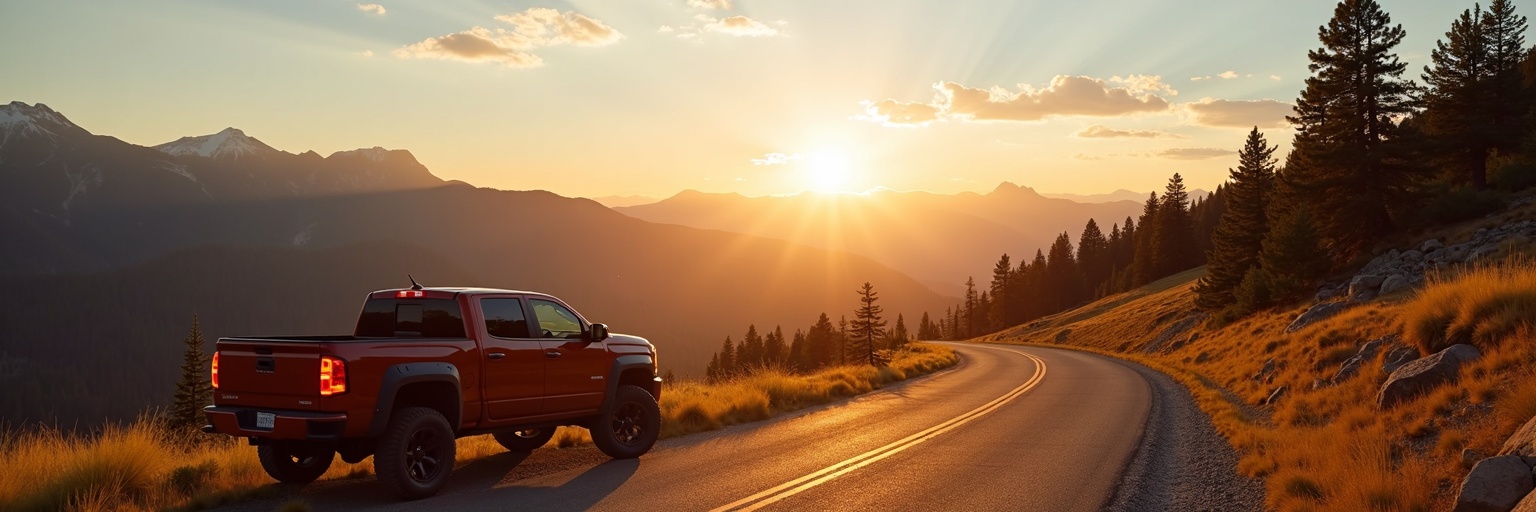
Driving through mountain terrain is one of the most rewarding experiences in overlanding. The combination of steep inclines, rocky surfaces, narrow paths, and unpredictable weather creates a unique challenge that separates beginner drivers from experienced off-road enthusiasts. While basic skills can get you started, mastering advanced trail techniques is essential if you want to navigate rugged mountain routes safely and confidently.
Whether you are preparing for your first Rocky Mountain overland rally or looking to refine your driving skills, understanding these advanced techniques will significantly improve your performance on the trail.
Understanding Mountain Terrain Challenges
Mountain trails are very different from desert or forest tracks. Elevation changes, loose rock, and uneven surfaces demand precise control and constant awareness.
Key challenges include:
- Steep ascents and descents
- Loose gravel and rock surfaces
- Off-camber sections
- Narrow trails with limited passing space
- Sudden weather changes affecting traction
Each of these elements requires a combination of technical knowledge and practical driving skills.
Throttle Control and Smooth Inputs
One of the most important techniques in mountain driving is maintaining smooth throttle control. Sudden acceleration can cause wheel spin, especially on loose surfaces, while abrupt braking can lead to loss of control.
Instead:
- Apply throttle gradually
- Maintain steady momentum
- Avoid unnecessary gear changes mid-obstacle
In technical sections, slow and controlled movement is always more effective than speed. Smooth inputs allow your tires to maintain traction and reduce stress on your vehicle.
Choosing the Right Line
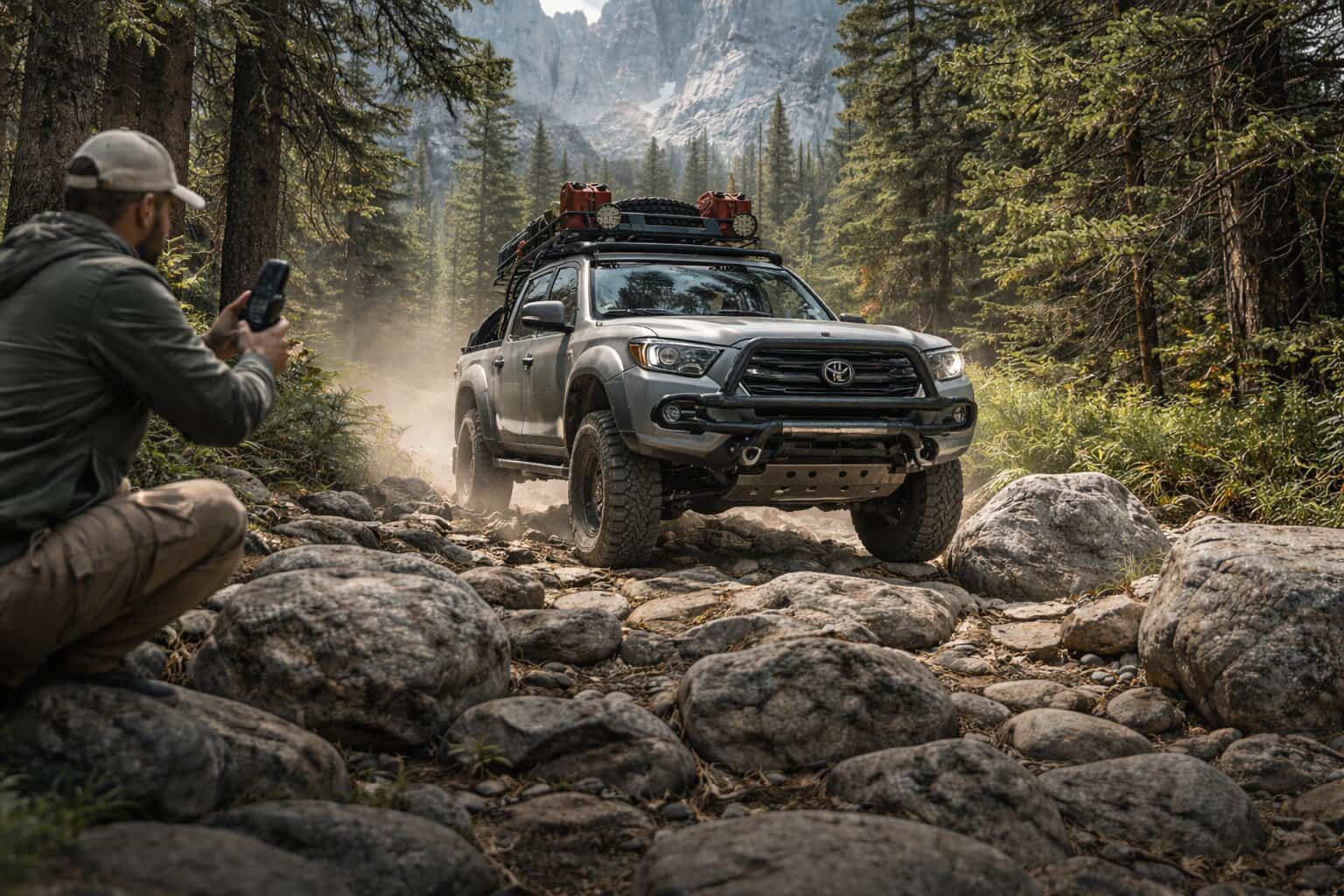
Line selection is critical when navigating rocky trails. The “line” refers to the path your vehicle takes over an obstacle or section of terrain.
Experienced drivers always:
- Look ahead and plan their route before moving
- Avoid sharp rocks that could damage tires or undercarriage
- Use higher points to maintain clearance
- Keep wheels aligned with stable surfaces
In mountain terrain, the best line is not always the most obvious one. Taking a few extra seconds to evaluate your path can prevent costly mistakes.
Using Low Range and Gear Control
Low-range gearing is essential for mountain driving. It provides better torque control and allows your vehicle to move slowly without stalling.
Benefits of using low range:
- Increased control on steep inclines
- Reduced need for braking on descents
- Better traction at low speeds
When descending, engine braking is your best friend. Instead of relying heavily on the brake pedal, let the engine control your speed. This reduces the risk of overheating brakes and losing traction.
Climbing Steep Inclines
Ascending steep mountain trails requires a balance between momentum and control.
Key techniques:
- Approach the hill with steady speed
- Avoid stopping mid-climb if possible
- Maintain a straight line to reduce rollover risk
- Apply consistent throttle without spinning tires
If you lose traction, do not panic. Ease off the throttle slightly to allow the tires to regain grip, then continue climbing smoothly.
Safe Descending Techniques
Descending is often more dangerous than climbing. Gravity works against you, and loss of control can happen quickly.
Best practices include:
- Use low gear and engine braking
- Keep wheels pointed straight downhill
- Avoid sudden braking
- Descend slowly and steadily
On loose surfaces, braking too hard can cause the wheels to lock and slide. Controlled descent is always safer than rushing downhill.
Managing Off-Camber Sections
Off-camber trails, where the vehicle tilts sideways, can be intimidating even for experienced drivers. The risk of rollover increases if the angle becomes too extreme.
To handle these sections:
- Keep your speed low
- Stay calm and avoid sudden steering inputs
- Position your tires on the most stable ground
- Shift weight inside the vehicle if necessary
Confidence and composure are key. Hesitation can often make the situation worse.
Tire Pressure and Traction Optimization
Adjusting tire pressure is one of the simplest ways to improve off-road performance. Lower tire pressure increases the contact patch, providing better grip on uneven surfaces.
Typical recommendations:
- Slightly reduce pressure for rocky terrain
- Monitor sidewall flex to avoid damage
- Reinflate tires when returning to pavement
Proper tire pressure can make a significant difference in traction, especially on loose mountain trails.
Communication and Spotting
In technical sections, having a spotter can greatly improve safety. A spotter guides the driver through difficult obstacles and helps avoid hazards that may not be visible from the driver’s seat.
When working with a spotter:
- Use clear hand signals or radios
- Move slowly and follow instructions
- Stop immediately if you lose sight of the spotter
Good communication is essential, especially during group overland events.
Recovery Awareness and Preparation
Even experienced drivers can get stuck in challenging terrain. Being prepared for recovery is part of advanced off-road driving.
Essential recovery gear includes:
- Recovery straps
- Traction boards
- Winch systems
- Shovel and basic tools
Understanding when to attempt recovery and when to seek assistance is just as important as the tools themselves.
Building Confidence Through Practice
Advanced trail techniques are not learned overnight. The best way to improve is through consistent practice and real-world experience.
Events like the Rocky Mountain overland rally provide the perfect environment to develop these skills. With guided driving clinics, experienced instructors, and varied terrain, you can safely push your limits and gain confidence behind the wheel.
Conclusion
Mastering mountain trail driving is about more than just skill — it is about awareness, preparation, and respect for the terrain. By focusing on smooth control, proper line selection, and safe driving techniques, you can tackle even the most challenging trails with confidence.
As you continue to explore and improve, remember that every trail is an opportunity to learn. With the right approach, mountain terrain becomes not just a challenge, but one of the most rewarding aspects of overlanding.