Introduction: Leaving the Comfort Zone
For years, my driving experience was limited to smooth city streets, predictable traffic, and the occasional highway road trip. Like many drivers, I was comfortable navigating urban environments but had never considered what lay beyond paved roads. That all changed when I first heard about overlanding and the Rocky Mountain rally scene.
The idea of combining travel, adventure, and self-reliance sparked something in me. I wanted to experience the freedom of exploring remote landscapes, far from the noise and routine of city life. That’s how my first overlanding journey began — a transition from asphalt to dirt, from routine to adventure.
Preparing for the Unknown
Before heading into the mountains, I quickly realized that overlanding required a completely different mindset and level of preparation compared to everyday driving.
Vehicle Setup
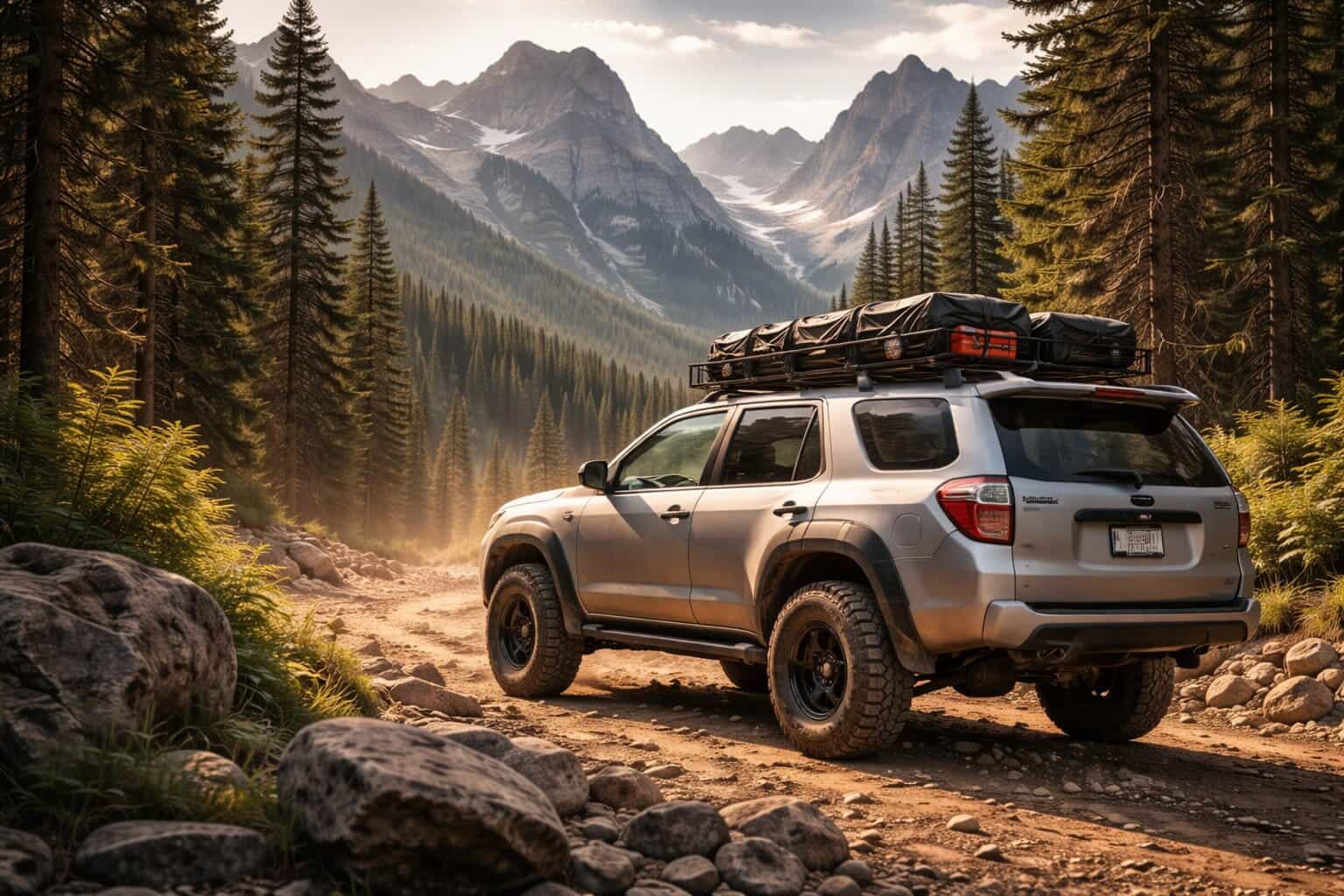
My vehicle was a standard SUV, reliable but not designed for off-road conditions. I made several key upgrades:
- All-terrain tires for better grip
- Roof rack for additional storage
- Basic recovery gear including tow straps and traction boards
- Portable air compressor
These modifications weren’t just upgrades — they were essential for safety and confidence on unpredictable terrain.
Packing Essentials
Unlike city driving, where help is always nearby, overlanding means being prepared for anything. My packing list included:
- Extra water and food supplies
- First aid kit
- Navigation tools (GPS and physical maps)
- Camping gear
Every item had a purpose. Overpacking was tempting, but space and weight quickly become limiting factors.
The First Drive Off Pavement
The moment I left the paved road behind was both exciting and intimidating. Gravel crunched under the tires, and the smooth ride I was used to disappeared instantly.
At first, I was overly cautious — driving too slowly, second-guessing every obstacle. But gradually, I started to understand how the vehicle responded to uneven terrain.
Learning to Read the Trail
One of the biggest adjustments was learning to “read” the terrain:
- Identifying loose rocks and soft sand
- Choosing the best line through obstacles
- Understanding elevation changes
This wasn’t something you can fully learn from videos or guides — it required real experience.
Challenges Along the Way
No overlanding journey is complete without challenges, and mine was no exception.
Steep Climbs and Narrow Trails
The mountain trails tested both my driving skills and confidence. Steep inclines required careful throttle control, while narrow paths demanded precision and focus.
Unexpected Obstacles
At one point, I encountered a section of the trail washed out by recent rain. This forced me to stop, assess the situation, and decide whether to proceed or turn back.
That moment taught me one of the most important lessons in overlanding:
👉 Knowing when not to push forward is just as important as knowing how to drive.
The Role of Community
One of the most surprising aspects of my journey was the overlanding community.
During a stop at a campsite, I met experienced drivers who were more than willing to share advice:
- How to handle specific terrain types
- Gear recommendations
- Route suggestions
Events like the Rocky Mountain Overland Rally are built around this sense of community. It’s not just about vehicles — it’s about learning, sharing, and connecting with others who share the same passion.
Moments That Made It Worth It
Despite the challenges, there were moments that made every effort worthwhile.
Scenic Views
Reaching higher elevations revealed breathtaking views — vast landscapes, untouched forests, and mountain ranges stretching beyond the horizon. These are sights you simply can’t experience from city roads.
Silence and Freedom
Away from traffic and noise, there was a sense of peace that’s hard to describe. No honking, no rush — just nature and the sound of the wind.
Lessons Learned
Looking back, my first overlanding experience taught me valuable lessons:
1. Preparation is Everything
Proper planning can make the difference between a successful trip and a stressful situation.
2. Confidence Comes with Experience
The more time you spend on trails, the more natural it becomes.
3. Respect the Environment
Staying on designated trails and minimizing impact is essential for preserving these landscapes.
4. Don’t Go Alone (At First)
Traveling with others or joining an organized event adds safety and learning opportunities.
How Driving Clinics Help Beginners
If I could start again, I would begin with a professional driving clinic.
Events and training sessions offered at overland rallies provide:
- Hands-on experience with expert guidance
- Safe environments to learn techniques
- Opportunities to test your vehicle’s capabilities
These clinics dramatically shorten the learning curve and build confidence faster than solo trial and error.
Looking Ahead
That first journey was just the beginning. What started as curiosity quickly turned into a passion.
Now, I’m planning longer trips, exploring new trails, and continuously improving both my driving skills and vehicle setup.
Overlanding is more than just a hobby — it’s a lifestyle that encourages exploration, resilience, and a deeper connection with nature.
Conclusion
Transitioning from city roads to mountain trails is not just a change in terrain — it’s a shift in mindset.
It challenges you to step outside your comfort zone, learn new skills, and embrace uncertainty. But in return, it offers something truly valuable:
👉 Freedom, adventure, and unforgettable experiences.
If you’re considering your first overlanding journey, start small, prepare well, and don’t be afraid to take that first step off the pavement.
Because once you do — you’ll never look at driving the same way again.