Why Front Range Overlanders Carefully Investigate a Used Accord Before Paying
High country builders keep two vehicles for the same reason as the rest of us. One is built for Saturday morning trail runs and rally weekends. The other drives the kids to school, commutes downtown in Denver, and spends weekdays cruising the aisles of Costco. The trail rig gets the dollars, the lift kit, the lockers, and the recovery equipment. The daily driver only needs to start reliably at 6:15 and not present a surprise four-figure repair bill.
This is precisely why Front Range overlanders wind up researching used Honda Accords for sale. It is the classic “spend your build dollars wisely” sedan. Insurable. Maintainable. Gets forty miles per gallon on the commute to the mountains if the previous owner does not have a lead foot. The problem is that the Front Range pre-owned marketplace is rife with cars that seem good enough from thirty feet but reveal themselves as transmission-solenoid disasters and rebuilt salvage titles a few months down the road.
The Same Mindset You Bring to Your Trail Runs
Overland planning creates useful habits. No one hits the Alpine Loop without inspecting tire pressure, recovery points, and fuel levels first. The same mindset applies to spending fourteen grand on a sedan that will reliably transport you to work for four years before the next bumper upgrade for your trail rig.
Avoiding verification for a daily driver is no different from heading to Black Bear without having a spare. It tends to work out. When it does not, it is expensive, difficult to fix, and humiliating. The cost of an unforeseen frame repair or a rollover of the odometer eats up the whole year’s worth of build dollars. A used Accord on Craigslist Denver or Facebook Marketplace Front Range can arrive with literally any history that the seller wants you to believe. The seller may be entirely truthful. He or she might have purchased the car from a Manheim auction sixty days earlier, cleaned it up, and posted it online. There is no way of knowing from the test drive.
What the Vehicle Identification Number Reveals
Any Accord you can think of on the road today comes with a seventeen-digit story that accompanies it wherever it goes. History of title brands, collision reports, odometer readings reported each time there was a state inspection, recall activity, theft record, and lien information all live behind the seventeen digits. The seller chooses how much to share. The VIN holds nothing back.
A couple of failure modes appear often in Front Range used Accords. First, there is hail damage to the bodywork in Boulder or Fort Collins that resulted in a branded title but got buyback-titled and shipped back to Colorado by passing through three states. Secondly, there is the category of flood vehicles shipped from the Gulf coast following a hurricane season. Finally, there is an odometer rollover case of imported vehicle with some suspiciously low numbers, which the owner did not disclose while selling. None of those can be identified by inspecting the car from the inside or the outside, but all can be discovered by looking up its history using the VIN.
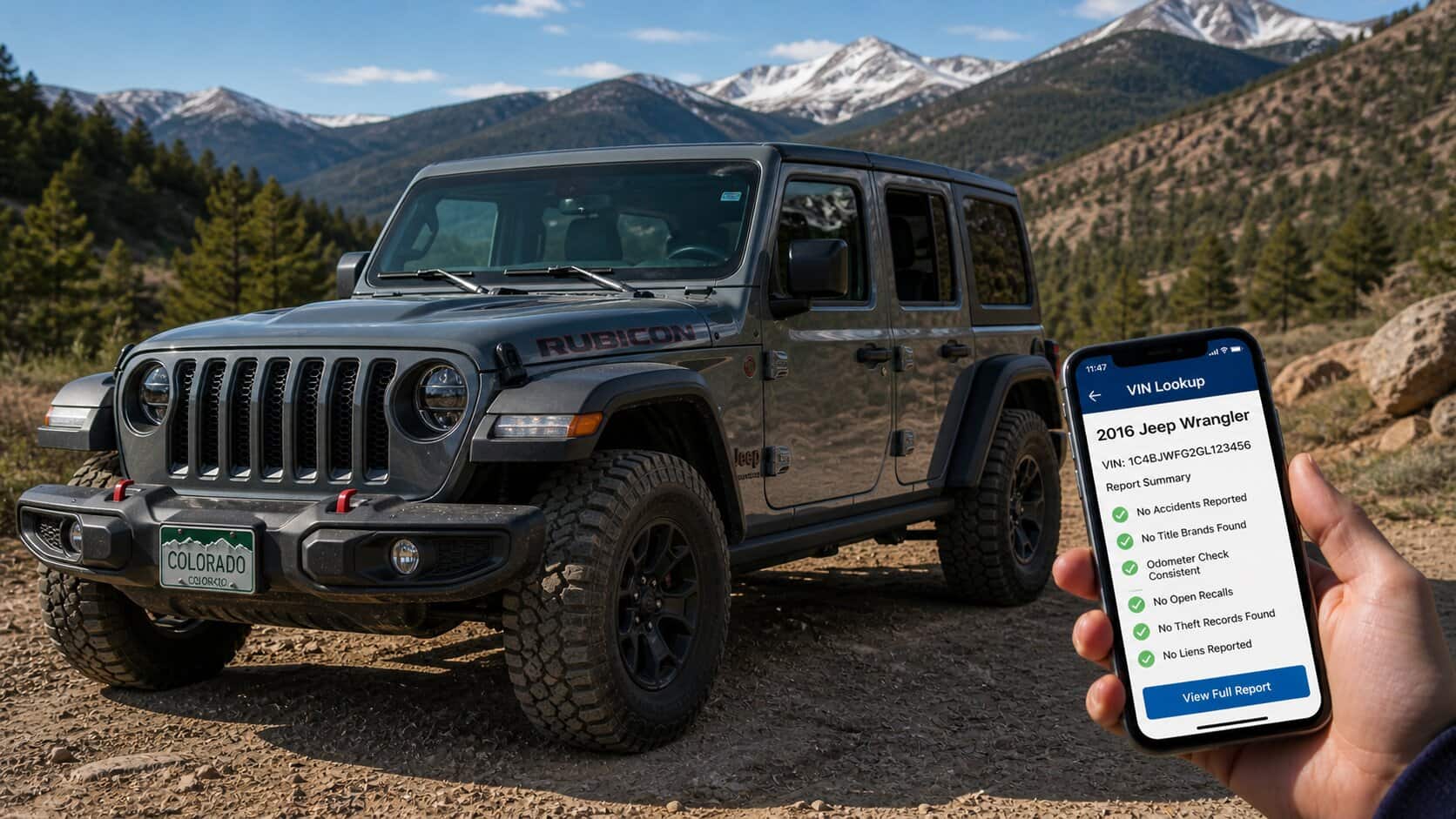
Getting the report does not take long and costs less than filling the fuel tank once. Running the Honda Accord VIN lookup is a matter of ninety seconds. The result gives you the title brands, collision history, odometer readings, and all of the owner’s names. The same utility reveals the status of open recalls, including, among others, the Takata airbag inflators campaign for Accords from specific model years and a couple of transmission and fuel pump service bulletins worth knowing about before purchasing.
Interpreting the Report like a Trail Run Planning Map
Running a VIN is not meant to be a tool for automatically ruling out vehicles. A minor fender-bender ten years ago that was properly repaired would be no reason to give up on a bargain. But three accidents over eighteen months and in two different states would. Interpreting the report resembles reading a topo map more than applying a pass-fail criterion.
Three categories of results are absolute red flags and a dealbreaker no matter what. They include any title brands at all, such as salvage, rebuild, flood, junk, and so forth, if the seller says the car is clean. A decrease in the odometer reading between two consecutive inspections is a definite sign of an odometer rollover. A big break in the registration dates between states means that the car had been parked in one state due to repairs not mentioned by the seller.
Yellow flags indicate cases that call for further investigation and probably a second opinion from an independent mechanic. They include an accident that was repaired and consistent odometer readings after repairs, delayed registrations indicating that the car had been parked for a while, and any auction record of the last six months, showing the vehicle was bought at wholesale prices and resold at the retail asking price.
Wrapping Up the Inspection During a Single Day
A practical strategy fits into a couple of hours. Take the VIN off the dashboard and door sticker, confirm they are identical, and request a VIN lookup online as you park the car. Cold-walk the vehicle to see whether it starts. Make sure the service intervals coincide with the seller’s statements. Lastly, put the car into gear and drive it.
The rig waiting for you in the garage represents hard-earned cash and dedication. Your daily driver protects both. A quick ninety-second check of the VIN is as much of an insurance policy as installing a recovery strap in the trunk of your rig. It is relatively cheap, rarely necessary, but invaluable when needed. Front Range overlanders who prepare for their commute as thoroughly as they prepare for their trail runs generally keep their budgets safe.